- Exploring Tuscan Culinary Delights
- Artisanal Wild Boar Ragù - A Taste of Maremma
- The Ancient Distilleries of Maremma
- Tasting Event at Residence Principina
- Ready-Made Sauces: Convenience and Goodness with Bottega del Buttero
- Tasting of Maremma's Food Treasures at the Blue Cambusa
- Exploring the Wonders of Artisanal and Organic Olive Oil
- Allium ampeloprasum var. ampeloprasum: Discover the Fascination of Elephant Garlic
- pici, between history and taste
- 30 Giugno 2023 - Maremma craft products in Montalto Marina
- Gentian Root liquor
- the value of artisanal pasta
- buttero history
- Truffle: the beneficial aspects
- food baskets - products added
- Intervista alla radio
- XIX° Market Exhibition of the Marzuolo Truffle of the Crete Senesi
- Maremma e-shop new logo
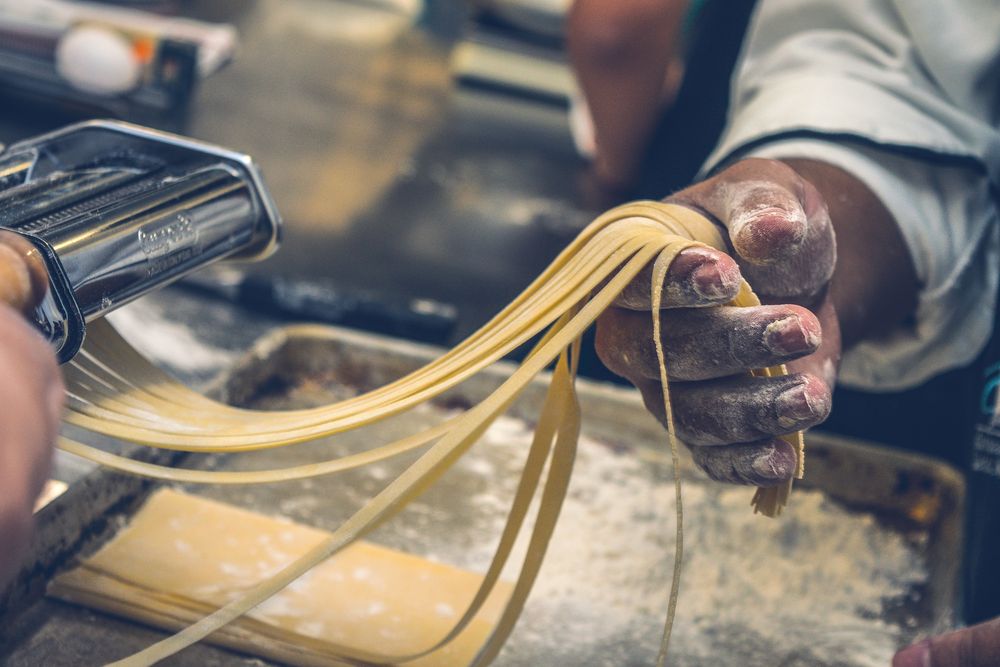
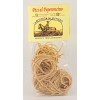
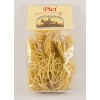
Pici: Tuscan Heart Pasta with a Worldly Presence
Pasta is undoubtedly one of the most distinctive symbols of Italian cuisine. Each region of the country has its own pasta specialty, each characterized by unique shapes and textures. Among these, one of the most appreciated is the "pici" pasta, a Tuscan dish that has won the hearts of many food enthusiasts around the world.
Origins and History of Pici:
Pici pasta, also known as pinci or picci, has its roots in the province of Siena, Tuscany, a region rich in history and culture. Its origin dates back to ancient times, and it is believed to have a centuries-old tradition.
These Tuscan spaghetti were historically associated with peasant families, who considered them one of their favorite dishes. Pici were prepared on special occasions such as weddings and festivities, but they were also a daily meal for the less affluent families, thanks to the simplicity of the ingredients used in their preparation.
The distinctive shape of pici, long and thick, is achieved by hand-rolling the mixture of flour and water until obtaining irregular cylinders. This artisanal process has been passed down from generation to generation, preserving the tradition of this delightful Tuscan pasta.
The Recipe for Pici:
The traditional recipe for pici is extremely simple and requires very few ingredients: flour, water, and a pinch of salt. The combination of these elements creates a flexible dough that is then hand-worked to achieve the characteristic shape of pici.
In modern times, some variations of the traditional recipe have included the use of eggs in the dough, which gives the pasta an even more delicate and flavorful texture. However, it is important to emphasize that authentic and respectful pici recipes stick to the simple combination of flour and water.
The Tradition of Pici in Tuscan Cuisine:
Pici are often dressed with simple yet flavorful sauces, typical of Tuscan cuisine. Among the most famous condiments is wild boar ragù, a slow-cooked sauce made from wild boar meat, aromatic herbs, and tomatoes. Other common sauces include the classic garlic, oil, and chili, breadcrumb sauce, and duck ragù.
Pici are cooked in plenty of salted water and, unlike other pasta varieties, they require a longer cooking time due to their thick texture. However, this characteristic gives pici a unique taste and an ability to hold the sauce surprisingly well.
Pici Around the World:
In recent years, pici has gained popularity beyond Italy. Thanks to the rediscovery of regional culinary traditions and the growing interest in authentic cuisine, pici have won the hearts of many international chefs and have become a staple on the menus of prestigious restaurants.
The simplicity of the ingredients and the artisanal preparation have captivated the taste buds of many food enthusiasts, attracting the attention of food bloggers and gastronomic influencers who often share their pici experiences on social media, spreading its knowledge and appreciation worldwide.
Conclusion:
Pici represent an authentic masterpiece of Tuscan culinary tradition. Their unique shape, achieved through skillful handcrafting, and the delightful flavors that can be paired with them make them a true delight for food lovers worldwide. The story of pici is one of simplicity, genuine flavors, and tradition, elements that continue to make this pasta a symbol of pride for Italian culinary culture. If you haven't tried them yet, don't hesitate to seek them out during your next trip to Tuscany or experiment with the recipe in the comfort of your own kitchen, and let yourself be enchanted by the magic of this one-of-a-kind pasta. Buon appetito!
Foto di Jorge Zapata su UnsplashTitle: 'A tasty discovery at the Bottega del Buttero: A journey through typical Maremma craft products in Montalto Marina'
.
Introduction:
Montalto Marina, nestled between the crystal-clear waters of the Tyrrhenian Sea and the gentle slopes of the Tuscan Maremma, is a popular tourist destination for lovers of the sea and good food. In this picturesque corner of paradise, I had the pleasure of participating in a food tasting at the renowned Bottega del Buttero, a supermarket that offers a wide selection of handmade products typical of the area. This culinary journey allowed me to explore the gastronomic delights of the Maremma and discover the authentic flavours that characterise this fascinating region.
Exploring the Bottega del Buttero:
As soon as I crossed the threshold of the Bottega del Buttero, I was greeted by a welcoming and familiar atmosphere. The walls were adorned with evocative photos of the Maremma and shelves full of local products. The inviting smell of freshly baked bread and matured cheeses immediately won me over, prompting me to start my culinary adventure.
Artisanal and typical Maremma products:
The Bottega del Buttero stands out for its wide selection of artisanal and typical Maremma products. Each corner of the space was dedicated to a different speciality. I was lucky enough to taste matured pecorino cheeses, fresh ricotta and delicious cured meats, made with care and passion by small local producers. The Maremma is famous for its dairy and charcuterie tradition, and the intense and genuine flavours of these products were a tangible testimony of that.
I could not leave the Bottega del Buttero without also tasting the region's wines. The Maremma is renowned for the production of fine wines, thanks to its fertile soils and favourable climate. I had the opportunity to taste some robust and complex red wines, accompanied by passionate explanations from the expert staff of the bottega.
The culinary experience:
During the tasting, I was able to exchange views with the other participants and completely immerse myself in the food and wine culture of the Maremma. The passion and pride of the local producers was evident in every bite and sip. Each product told a story, linked to the land and traditions handed down through generations.
Conclusion:
The tasting at the Bottega del Buttero in Montalto Marina was an unforgettable experience, allowing me to discover the richness and authenticity of the Maremma's typical craft products. I appreciated the commitment of the small local producers in preserving culinary traditions and enhancing
the excellence of the territory. If you visit Montalto Marina, do not hesitate to make a stop at the Bottega del Buttero to experience a sensory journey through the unique flavours of this wonderful Italian region.
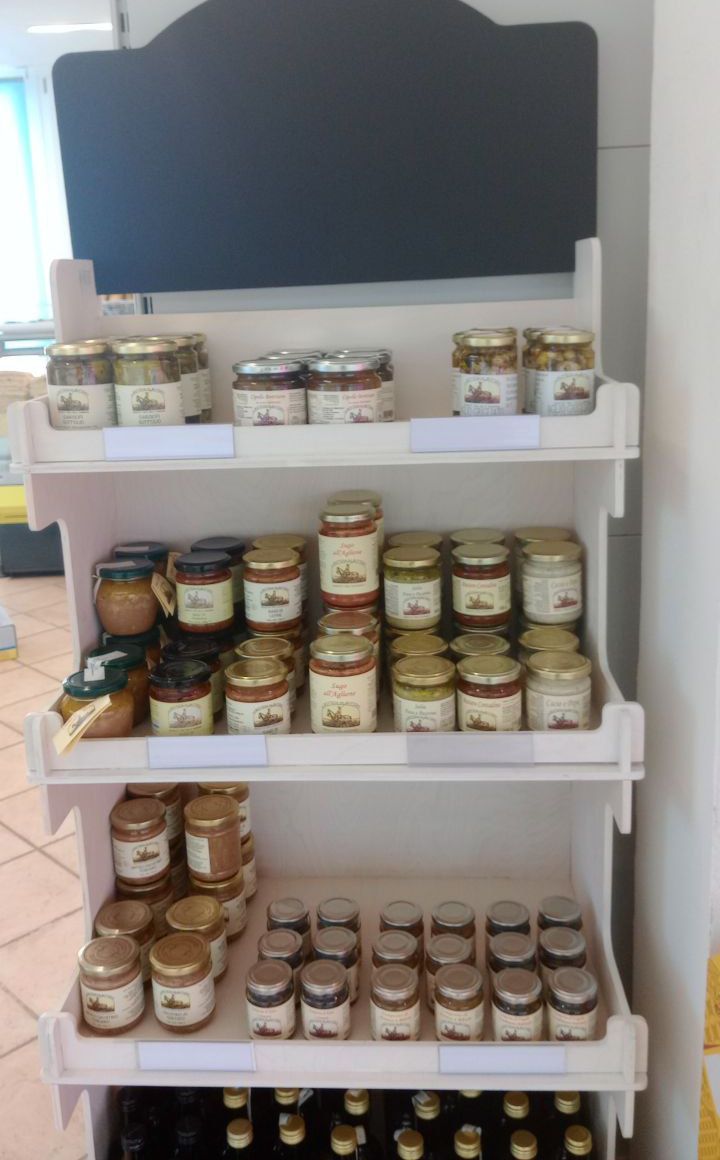
Title: Gentian Root: An Artisanal Product from Maremma Available at Bottega del Buttero's Online Shop
Introduction:
Maremma, a land rich in traditions and unique flavors, offers a hidden treasure to herb and artisanal enthusiasts. We are talking about gentian root, a precious ingredient with beneficial properties and a unique taste. Today, thanks to Bottega del Buttero's e-commerce platform, this artisanal product from Maremma can be appreciated and purchased from anywhere in the world.
Gentian and Its Root:
Gentiana lutea, commonly known as gentian, is a perennial plant that grows naturally in certain mountainous regions of Europe, including Tuscany's Maremma. Its root, characterized by an intense yellow color, has been used for centuries for its medicinal properties and bitter taste. Gentian root is rich in active compounds, such as gentiopicrin, which stimulate digestion and have tonic effects on the liver.
The Artisanal Process:
In Maremma, the tradition of harvesting and processing gentian root has been passed down through generations. The artisans at Bottega del Buttero, a renowned Maremma-based company specializing in traditional products, carefully select the finest roots, cultivated sustainably. The processing is entirely artisanal, respecting ancient techniques to preserve the quality and properties of the root.
The Artisanal Product from Maremma:
After being meticulously harvested and processed, gentian root is transformed into a high-quality artisanal product. Bottega del Buttero offers various forms of presentation, such as fine powder or liquid extract, to cater to every customer's needs. With its intense and bitter taste, gentian root is an ideal ingredient for preparing digestive liqueurs and bitters, but it can also be used as an aromatic herb to enhance traditional Maremman dishes.
Bottega del Buttero's E-Commerce:
To make this authentic Maremma product available to a broader audience, Bottega del Buttero has launched its online e-commerce platform. Now, customers can conveniently purchase artisanal gentian root directly from the company's website, with the assurance of receiving a genuine and high-quality product. Bottega del Buttero is committed to promoting Maremma's tradition and offering products that best represent the richness and authenticity of this unique land.
Conclusion:
Gentian root, an artisanal product from Maremma, is a true gem for enthusiasts of traditions and authentic flavors. Thanks to Bottega del Buttero's e-commerce, it is now possible to purchase this precious ingredient and experience the charm of Maremma from the comfort of your own home. Don't miss the opportunity to discover gentian root and explore the wonders of this Tuscan land through a product that combines tradition, craftsmanship, and a unique taste.
Title: Exalting authentic taste: the importance of artisanal food products, with a focus on Bottega del Buttero pasta
Introduction:
In the age of mass production and industrialised food, artisanal food products are experiencing a renaissance. These culinary treasures, made with care and passion by expert artisans, are gaining increasing popularity among conscious consumers seeking authentic flavours and superior quality. With this in mind, Bottega del Buttero, a culinary icon in the Maremma region, excels in the production of artisanal pasta that satisfies even the most discerning palates. Let's delve into the positive factors of human nutrition linked to artisanal food products, with a special focus on Bottega del Buttero's fine pasta.
1. Quality of ingredients:
Artisanal pasta is distinguished by the care taken in the choice of ingredients. Bottega del Buttero carefully selects the best raw materials, favouring local, organic and zero-kilometre ingredients. This guarantees a high quality end product, free of artificial additives, preservatives or colouring agents.
2. Traditional processing:
Artisanal production requires traditional processing methods handed down through generations. At Bottega del Buttero, pasta is made using techniques and recipes handed down through the ages, respecting processes that preserve the authentic taste and nutritional properties of the ingredients.
3. Authentic flavours:
Artisanal pasta is distinguished by its authentic and unique flavours. Each variety of Bottega del Buttero pasta is created to enhance the traditional flavours of the Maremma, offering a culinary experience that takes consumers on a unique taste journey.
4. Food awareness:
Modern consumers are increasingly interested in the origin and production of the food they consume. By opting for artisanal food products such as Bottega del Buttero's pasta, consumers can make informed choices, supporting local producers and contributing to the sustainability of the area.
5. Sustainability and environmental impact:
Artisanal production is based on sustainable principles that reduce environmental impact. La Bottega del Buttero adopts environmentally friendly practices, such as the use of renewable energy and eco-friendly packaging, ensuring a gastronomic experience that respects both the palate and the environment.
Conclusion:
The rediscovery of artisanal food products, such as Bottega del Buttero's pasta, represents a culinary revolution. These products offer a perfect combination of quality, authenticity and unique flavours,
creating a link between consumers and local gastronomic traditions. Choosing artisanal food products not only satisfies the palate, but also supports the local economy and promotes a healthy and conscious lifestyle.
(Article compiled by Cyberneticart, sources: Bottega del Buttero, La Bottega del Buttero)